Ledger Live: Third-Party Wallet Compatibility
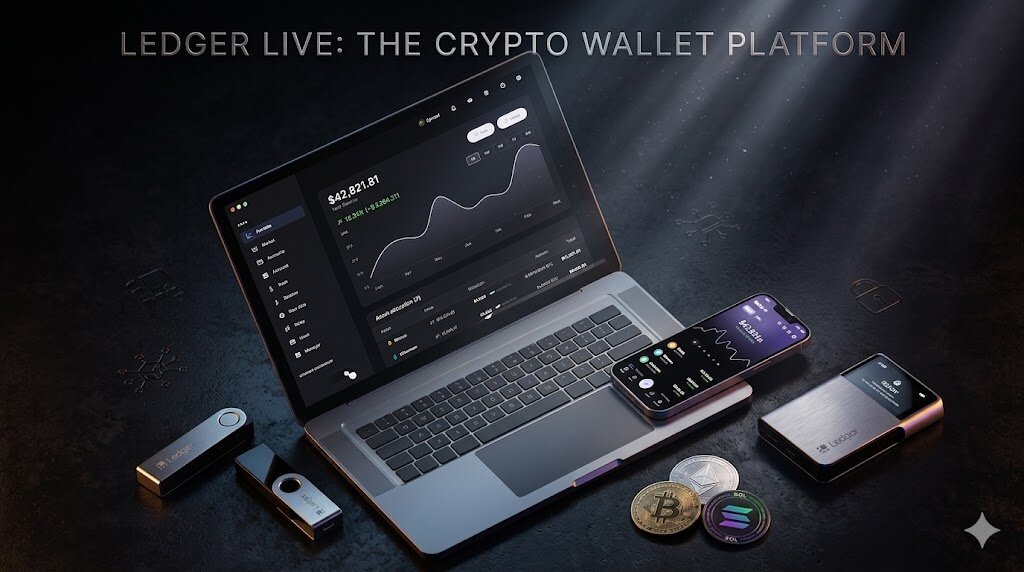
Why Third-Party Wallets Pair With Ledger Devices
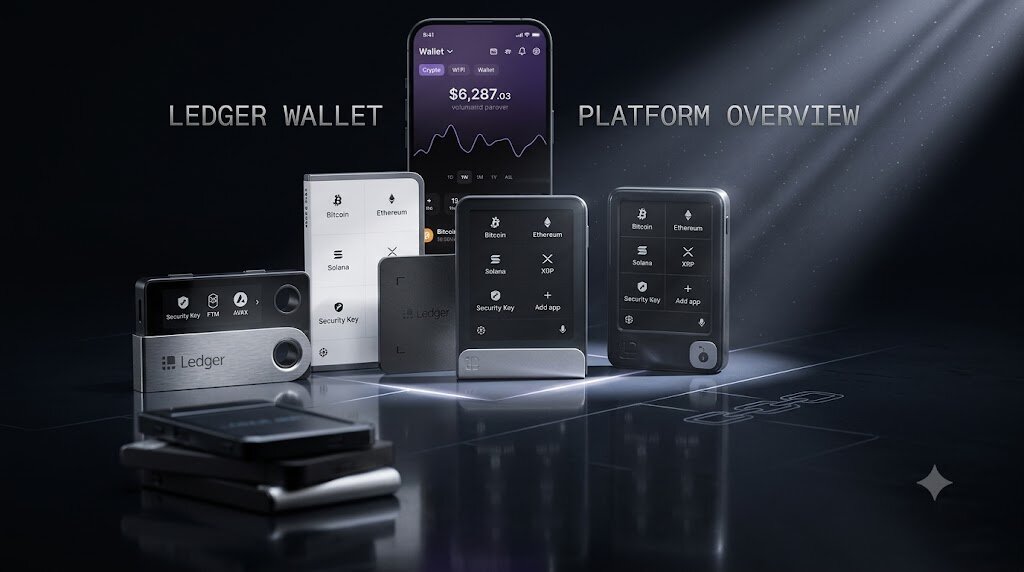
Extending Hardware Security Beyond One App Hardware wallet protection means private keys stay on the device regardless of which application initiates transactions. This property makes multi-wallet setups possible. A user can run five different wallet applications, all connected to the same hardware device, and every signature happens on the device itself. The device does not care which application requested the signature. It cares whether the user physically authorizes the transaction after reviewing the details on screen. This design decouples security from any specific interface, letting users pick whichever interfaces suit their workflows. This decoupling also protects against wallet application failures. If any particular application shuts down, becomes compromised, or loses support, users retain access to their crypto through alternative applications that connect to the same underlying accounts on the device.
Filling Feature Gaps Ledger Live Does Not Cover Ledger Live app covers substantial functionality but not everything. Advanced DeFi analytics. Detailed transaction simulation before signing. Certain blockchain networks that lack native integration. Specialized workflows for high-volume traders. Various other niches remain outside the scope of the primary wallet application. Third-party wallets fill these gaps. MetaMask handles DeFi workflows that flow through browser interfaces. Rabby adds transaction pre-simulation showing expected outcomes.
Sparrow provides Bitcoin power user features that Ledger Live does not attempt to match. Each external wallet covers specific needs that motivate its user base. Users mixing wallets typically settle into stable patterns after some experimentation. One wallet for daily portfolio checking. Another for specific DeFi protocols. Yet another for occasional Bitcoin operations. The hardware device remains constant across all these contexts.
MetaMask and the Ledger Live Wallet Alternative Path
How Pairing Actually Works Adding a Ledger device to MetaMask happens through the account import flow. Users open MetaMask, choose the option to connect a hardware wallet, select Ledger from the available options, and follow prompts to pair with their connected device. The pairing does not move private keys anywhere. MetaMask receives the public account addresses associated with the Ledger device but never sees private keys. Every transaction initiated through MetaMask that involves a Ledger-controlled account still requires physical device authorization. Multiple accounts derived from the same Ledger seed can appear in MetaMask simultaneously. Users often import several accounts to organize their activity across purposes. One account for DeFi. One for NFTs. One for testing. The same organizational patterns that work in Ledger Live carry over into MetaMask usage.
Browser Extension Workflow With Hardware MetaMask as a browser extension inserts itself into websites with Web3 integration. Dapps detect the wallet and offer connection options. When users approve connections with Ledger-controlled accounts, subsequent transaction requests route through the hardware device. The workflow adds steps compared to using MetaMask with software-only accounts. Approving a transaction requires unlocking the Ledger, opening the correct app on the device, reviewing transaction details on the device screen, and pressing physical buttons to authorize. These extra steps produce friction but also catch manipulation attempts that pure software workflows might miss. Users active in DeFi daily sometimes maintain both hardware-paired accounts for larger positions and software-only accounts for smaller experimental amounts. This split approach captures workflow efficiency where speed matters while preserving hardware protection where value matters.
Signing Confirmation Behavior Every transaction signed through MetaMask with a Ledger-controlled account produces two confirmation prompts. First, MetaMask displays transaction details for initial review. Second, the Ledger device displays independent details for verification before signing. The dual display catches attacks that might manipulate what MetaMask shows. If malicious code somehow altered the MetaMask display to hide the real transaction contents, the Ledger device would still show what actually gets signed. Users comparing the two displays notice discrepancies before authorizing anything. Blind signing represents the exception where Ledger cannot fully decode transaction contents. Some complex smart contract interactions produce data that exceeds what the device can meaningfully display. Users choose whether to blind sign these transactions or refuse them. Refusing safer than blindly authorizing, though it means missing legitimate operations that happen to exceed device decoding capabilities.
Rabby, Rainbow and Emerging EVM Wallets
Rabby Wallet Integration Rabby positions itself as a MetaMask alternative with better security-focused features. Multi-chain support built in from the start. Transaction pre-simulation showing expected outcomes before users sign. Warnings about suspicious contract interactions. Ledger integration works similarly to MetaMask. Users connect their device through Rabby's hardware wallet flow. Accounts import into Rabby, and subsequent transactions route through the Ledger for signing. The workflow patterns match what MetaMask users know while Rabby's additional features provide extras during the transaction review phase. Users choosing Rabby over MetaMask often cite the pre-simulation feature specifically. Seeing predicted transaction outcomes before signing catches mistakes that reviewing raw transaction data might miss. This feature works alongside hardware wallet protection rather than replacing it.
Rainbow Compatibility Rainbow started as a mobile-first wallet with polished interface design distinguishing it from utilitarian alternatives. Desktop and browser extension versions came later, extending the ecosystem beyond just mobile usage. Rainbow integrates with Ledger devices through connection flows similar to other wallet applications. Once paired, transaction workflows use the standard hardware signing pattern. Users appreciating Rainbow's design polish gain the same interface benefits when using it with Ledger security.
Feature coverage in Rainbow tends toward common use cases handled well rather than covering every edge case. Users with unusual needs sometimes find Rainbow lacks specific functionality they need. Users with mainstream requirements often find Rainbow handles those requirements more pleasantly than utilitarian alternatives.
Frame and Other Desktop Alternatives Frame runs as a desktop application rather than browser extension, taking a different approach to Web3 access. Multiple browser tabs and desktop applications can share one Frame instance, avoiding the per-browser installation pattern extensions require. Ledger integration in Frame follows patterns similar to browser extension wallets. Device pairing establishes the connection. Subsequent operations route through the hardware for signing. The desktop application architecture creates different usability characteristics without changing the fundamental hardware security properties. Various other alternatives exist across the EVM wallet ecosystem. Some target specific niches. Some emphasize privacy features. Some focus on institutional users. Most that support Ledger devices use similar integration patterns, meaning users familiar with one hardware wallet integration adapt quickly to others.
Non-EVM Third-Party Wallet Support
Solana Wallets Like Phantom and Solflare
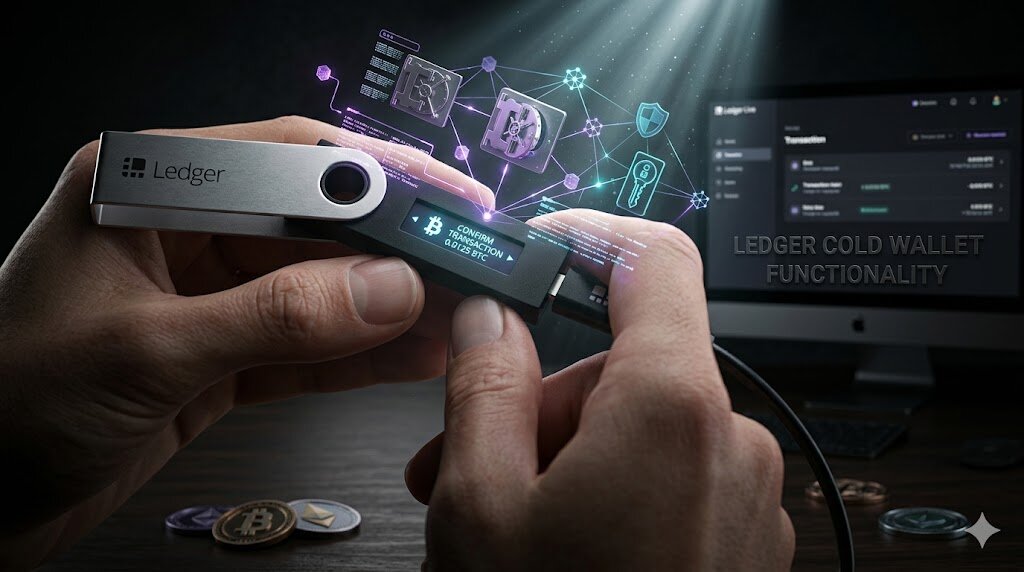
Phantom dominates Solana wallet usage by most measures. The combination of Phantom with Ledger hardware brings Solana DeFi and NFT activity into hardware-secured workflows. Users pair their Ledger with Phantom similar to how they would pair with MetaMask on Ethereum. Solana transactions signed through Phantom with a Ledger account require the same on-device authorization pattern that other integrations use. Users see transaction details on the Ledger screen, verify what they are signing, and authorize through physical buttons. Solflare offers an alternative Solana wallet with its own feature emphasis. Some users prefer Solflare's specific interface choices over Phantom. Ledger integration works similarly, providing the same hardware security regardless of which Solana wallet users choose.
Bitcoin-Specific Wallets Like Sparrow and Electrum Bitcoin power users often prefer specialized Bitcoin wallets over multi-chain applications. Sparrow Wallet provides advanced UTXO management, coin control, and various features that generalist wallets do not match. Electrum has served Bitcoin users for over a decade with its own approach. Both integrate with Ledger devices. Sparrow specifically markets its Ledger integration as a first-class feature rather than an afterthought. Users doing advanced Bitcoin operations often combine Ledger devices with Sparrow for the specific workflows Sparrow handles better than Ledger Live app native functionality. The Bitcoin-specific wallets excel at operations that broader wallets treat as secondary. PSBT (Partially Signed Bitcoin Transactions) workflows. Multisig configurations. Advanced fee management. Coin control for privacy purposes. Users needing these features find the specialized wallets provide capabilities that generalist alternatives do not attempt to match. Third-Party Wallet
Primary Use
Ledger Integration
Best For
MetaMask
EVM DeFi
Direct pairing
Broad DeFi access
Rabby
EVM security
Direct pairing
Transaction simulation
Rainbow
EVM mobile
Direct pairing
Design-focused users
Frame
Desktop EVM
Direct pairing
Multi-app workflows
Phantom
Solana
Direct pairing
Solana DeFi and NFTs
Solflare
Solana
Direct pairing
Alternative Solana interface
Sparrow
Bitcoin advanced
Direct pairing
Bitcoin power users
Electrum
Bitcoin classic
Direct pairing
Established Bitcoin users
Trade-Offs Between Ledger Live App and External Wallets
Where Ledger Live Wins The native application handles multiple blockchains through one interface. Users with holdings across Ethereum, Bitcoin, Solana, and various other networks find consolidation valuable. Third-party wallets typically focus on specific ecosystems, requiring multiple applications for multi-chain coverage. Portfolio aggregation works better in Ledger Live than through third-party wallets. Total portfolio value across all supported chains appears in one view. Third-party wallets show only their specific chain coverage, requiring mental aggregation or external tools for total portfolio awareness. Integration with Ledger-specific services works only through the native application. Buy crypto flows through Ledger Live partners. Sell crypto works through the same partner network. Certain staking options integrate through Ledger Live specifically. Third-party wallets cannot access these Ledger-specific integrations.
Where External Wallets Win
DeFi accessibility flows more smoothly through browser extension wallets like MetaMask or Rabby. Dapps automatically detect these extensions and offer connections. Ledger Live requires WalletConnect for equivalent access, adding steps to workflows. Specialized features exist across third-party wallets that Ledger Live does not match. Rabby's transaction simulation. Sparrow's Bitcoin power features. Phantom's Solana-specific optimizations. Each excels within its focus area beyond what generalist wallets attempt. Update pace differs. Third-party wallets often add support for new features or chains faster than Ledger Live. This matters for users active on cutting-edge protocols where being early on new features provides advantages. Common reasons users combine Ledger with third-party wallets include the following: 1. Extending hardware security to DeFi workflows in browsers 2. Accessing specific features that Ledger Live does not provide 3. Working with blockchain networks not covered natively 4. Using preferred interface designs that match personal workflows 5. Taking advantage of transaction simulation features 6. Handling specialized Bitcoin operations through Sparrow or Electrum 7. Managing Solana activity through Phantom or Solflare 8. Splitting activity across multiple wallets for organizational reasons